Understanding Home Water Filtration in Singapore

An independent information archive examining water quality benchmarks from PUB, comparing filtration technologies available locally, and documenting real-world maintenance schedules for common household systems.

500,000+

Water quality tests conducted annually by PUB

WHO-Compliant

Singapore tap water meets WHO Guidelines

4 National Taps

Local catchment, imported, NEWater, desalination

300+ Parameters

Monitored across the entire NEWater supply chain

Recent Articles

Detailed guides on filtration technologies, water quality data, and practical upkeep for Singapore households

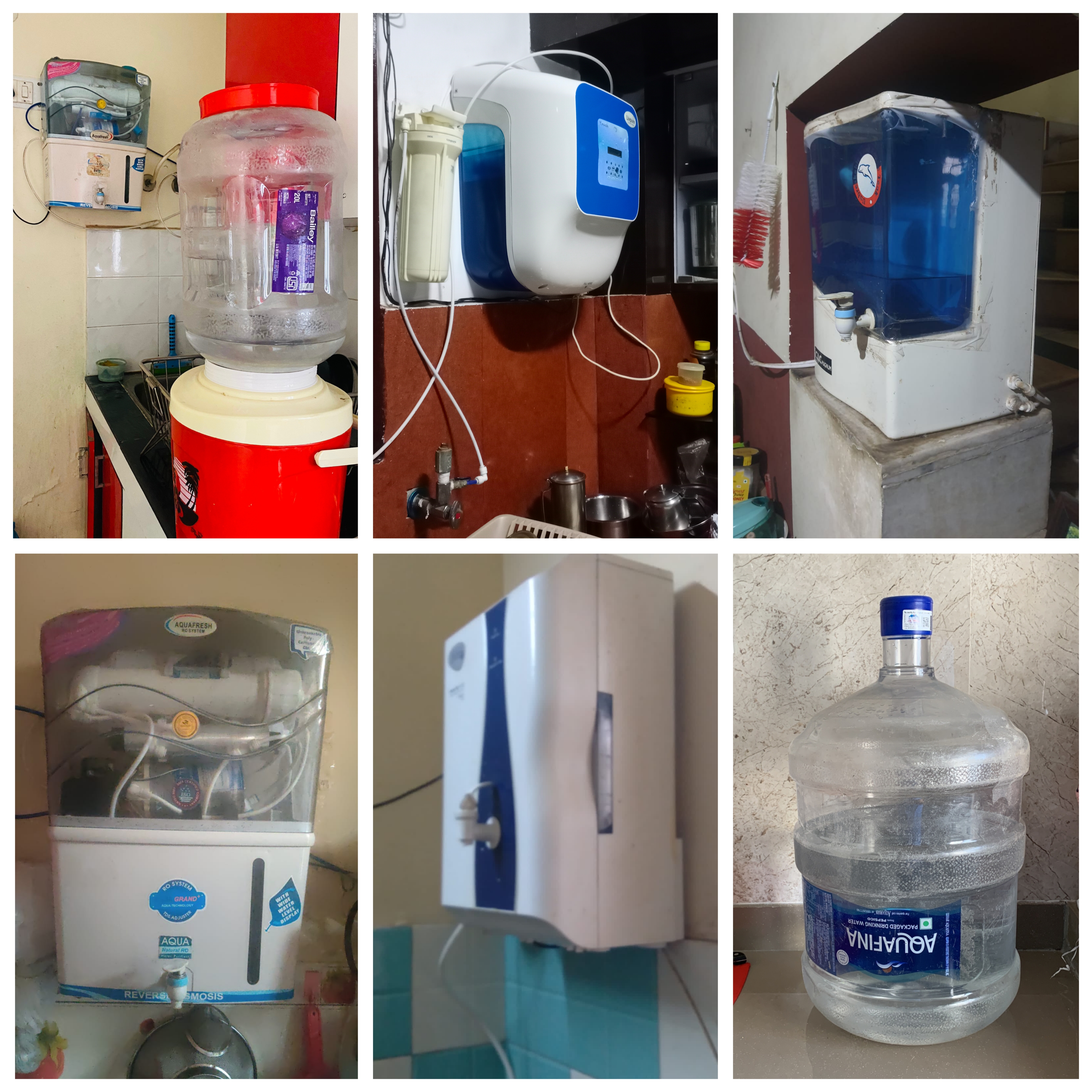
Reverse osmosis filtration system

Reverse Osmosis Filters: What Singapore Residents Need to Know

A detailed look at how RO membranes remove dissolved solids, the specific water conditions in Singapore that affect membrane longevity, and typical costs of under-sink and countertop RO units available at local retailers.

Read full article
Activated carbon and UV water purifier

Activated Carbon vs UV Purifiers: Side-by-Side Comparison

Granular activated carbon (GAC) and ultraviolet (UV) purifiers each target different contaminants. This comparison covers removal rates, energy use, filter lifespan, and which system suits various flat sizes and water use patterns in Singapore.

Read full article
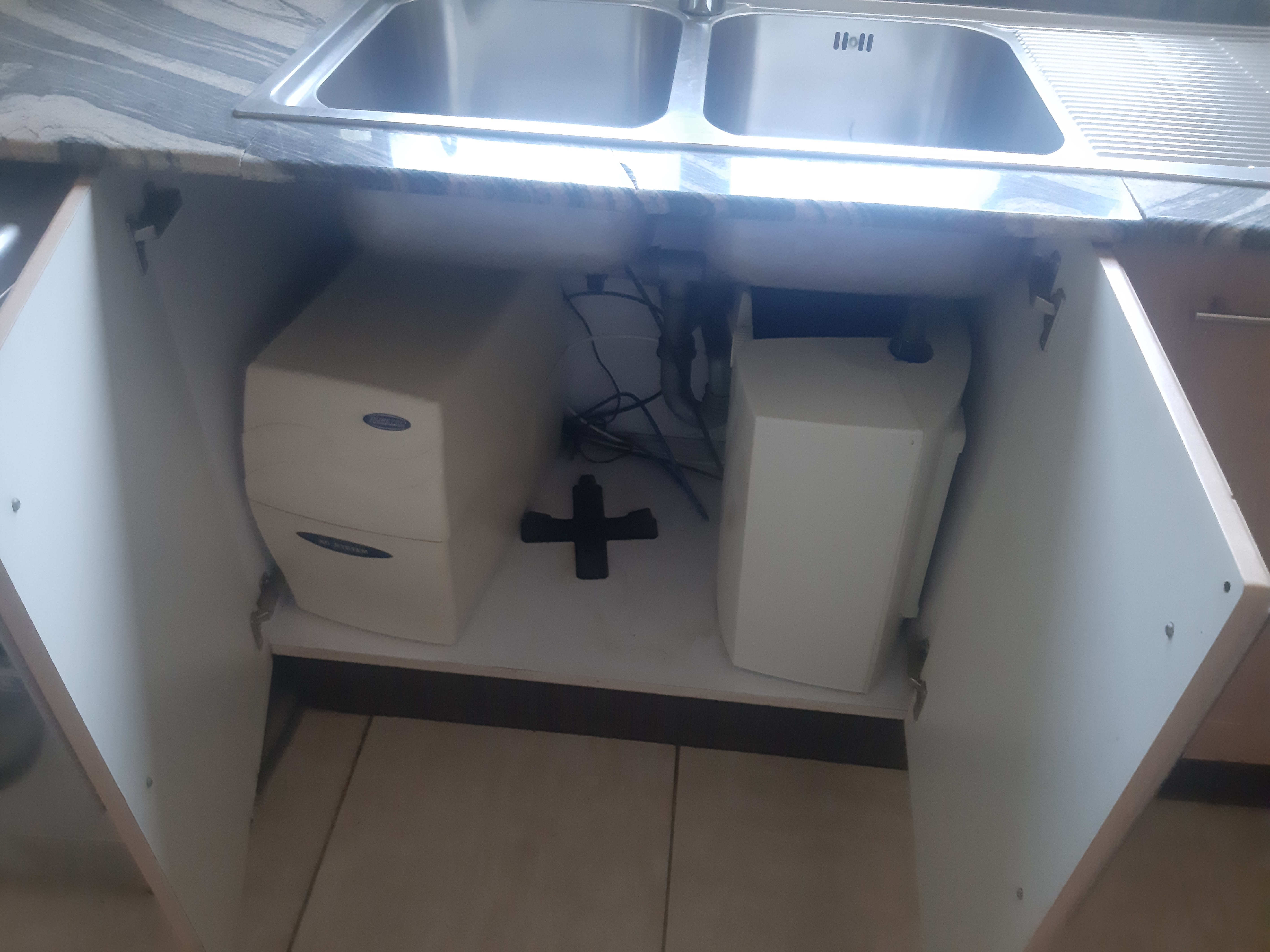
Under-sink water filter maintenance

Maintaining Home Water Filters: Schedules, Costs, and Common Mistakes

Replacement cartridge intervals for sediment, carbon block, and RO membranes. Includes a cost breakdown per litre, signs of an overdue filter change, and common installation errors that void manufacturer warranties in Singapore.

Read full article

Singapore's Tap Water Quality at a Glance

PUB, Singapore's National Water Agency, reports that local tap water consistently meets the Environmental Public Health (Water Suitable for Drinking) (No.2) Regulations 2019 and the WHO Guidelines for Drinking-water Quality. The agency conducts more than 500,000 laboratory tests each year and monitors over 300 parameters for NEWater alone.

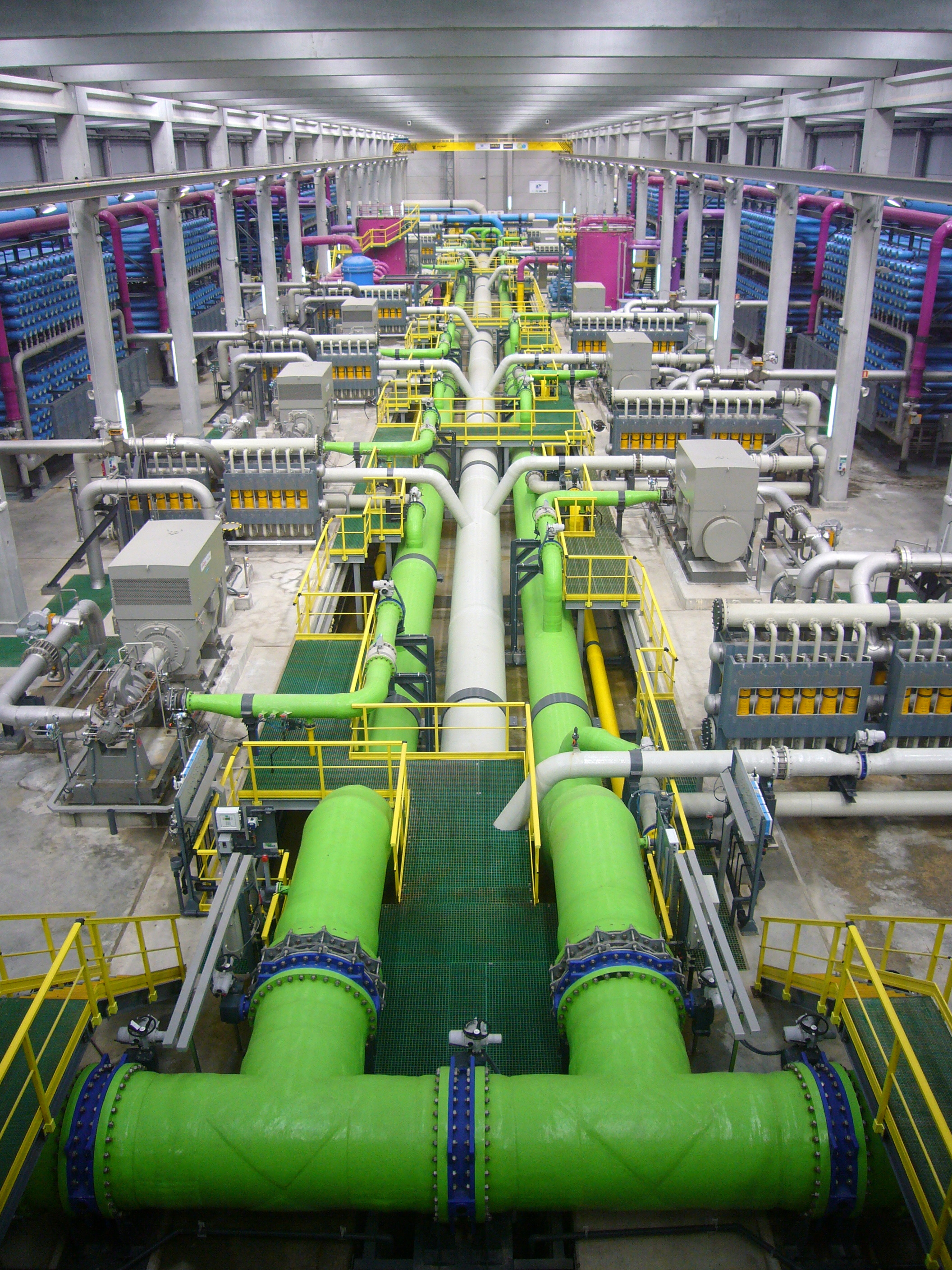
Key treatment steps at Singapore's waterworks include chemical coagulation with aluminium sulphate, rapid gravity sand filtration (or membrane filtration at Choa Chu Kang, Chestnut Avenue, and Lower Seletar), chlorine or ozone disinfection, and Biological Activated Carbon (BAC) treatment for taste and odour improvement at select plants.

Fluoride is added at the direction of the Ministry of Health, a practice in place since 1957. Ammonia is dosed to form chloramines, providing a stable residual disinfectant throughout the distribution network.

Source: PUB Water Quality

Glass of clean drinking water

Why Some Households Still Consider Filtration

PUB has publicly stated that Singapore's tap water is safe to drink straight from the tap without any further filtration. The agency has even taken enforcement action against companies whose advertising implied otherwise, most recently requiring a public apology from filter brand Sterra in August 2024.

Even so, a segment of residents opt for point-of-use filtration due to the age of internal plumbing in older HDB blocks and condominiums, seasonal taste variations caused by source water blending, or a preference for reduced chloramine residual in cooking water.

When evaluating whether a filtration system is relevant for a particular household, the condition of the building's internal pipes, the rooftop tank maintenance history, and the specific contaminant removal claims of the device are all factors worth examining.

Comparison of home water filtration units

Disclaimer: This content is provided for informational purposes only and does not constitute professional advice. Water quality data referenced is sourced from PUB's publicly available reports. Always verify with official sources before making filtration decisions. Last updated: April 2026.