Maintaining Home Water Filters: Schedules, Costs, and Common Mistakes
A water filter that is not maintained on schedule can become less effective than having no filter at all. PUB has noted that filter cartridges may become a breeding ground for bacteria if not cleaned or replaced regularly. The brownish deposits visible on used filter cartridges are typically oxidised mineral sediments, primarily iron and manganese, which are inherent in trace amounts in Singapore's water supply and are not a health concern at the levels present.
Replacement Schedules by Filter Type
The intervals below are based on manufacturer recommendations for typical Singapore household usage of 5-10 litres of filtered water per day. Higher consumption shortens these intervals proportionally.
| Filter Stage | Media Type | Replacement Interval | Approx. Cost (SGD) |
|---|---|---|---|
| Stage 1: Sediment | Polypropylene (PP) 5 micron | 3-6 months | $8 - $20 |
| Stage 2: Pre-carbon | Granular Activated Carbon (GAC) | 6-12 months | $15 - $35 |
| Stage 3: Carbon block | Compressed carbon block, 1 micron | 6-12 months | $20 - $45 |
| Stage 4: RO membrane | Thin-film composite (TFC) | 24-36 months | $60 - $150 |
| Stage 5: Post-carbon | Inline coconut shell carbon | 12 months | $15 - $30 |
| UV lamp (if applicable) | UV-C 253.7nm | 12 months (or 9,000 hrs) | $50 - $100 |
| Remineralisation cartridge | Calcite / coral sand | 12 months | $20 - $40 |
Cost per Litre: Is Filtered Water Economical?
For a 5-stage RO system with annual filter costs of approximately $180-350 SGD and daily production of 7 litres:
- Annual filtered water volume: approximately 2,555 litres
- Filter cost per litre: $0.07 to $0.14 SGD
- Water waste cost (at PUB tariff of $2.74/m3, 2:1 waste ratio): approximately $0.005 per litre
- Total cost per litre: approximately $0.08 to $0.15 SGD
For comparison, a 1.5-litre bottle of commercially filtered water at a Singapore supermarket costs $0.80 to $1.50, and a 19-litre dispenser refill typically costs $3.00 to $5.00 ($0.16-$0.26 per litre). Home RO filtration is generally more economical for households consuming more than 4 litres per day.
Signs That a Filter Needs Replacing
- Reduced flow rate: A significant drop in water output (more than 30% below the initial rate) typically indicates a clogged sediment or carbon filter
- Return of chloramine taste or odour: If the pre-carbon filter is saturated, chloramines pass through to the RO membrane, potentially damaging it and producing a noticeable chemical taste
- TDS reading increase: For RO systems, a handheld TDS meter showing output above 30-40 mg/L when the input is 50-80 mg/L suggests membrane degradation. A healthy RO membrane rejects 85-95% of TDS
- Discoloured or cloudy output: Indicates either a failed sediment pre-filter or bacterial contamination in a storage tank
- Unusual noise from the pump: In tankless RO systems, increased pump noise can signal higher backpressure from a fouled membrane
Common Maintenance Mistakes in Singapore
Mistake 1: Ignoring the Pre-filter
The sediment pre-filter protects downstream stages from particulate fouling. In Singapore, trace mineral sediments from ageing distribution pipes and building service connections are the primary load on this filter. Skipping pre-filter replacement can shorten RO membrane life from 36 months to under 12 months, effectively tripling membrane costs.
Mistake 2: Using Non-compatible Replacement Cartridges
Filter housings use specific O-ring sizes and cartridge dimensions. Many budget replacements sold at Lazada or Shopee are labelled as "universal" but may not form a proper seal, leading to unfiltered water bypassing the cartridge entirely. Always verify the exact model number before purchasing.
Mistake 3: Not Flushing After Installation
New carbon filters release fine carbon dust (fines) during the first 5-10 litres of use. RO membranes are shipped with a preservative solution that must be flushed out. Running at least 10 litres through the system and discarding the output before resuming normal use is a standard requirement listed in most manufacturer manuals.
Mistake 4: Installing in Direct Sunlight or High Heat
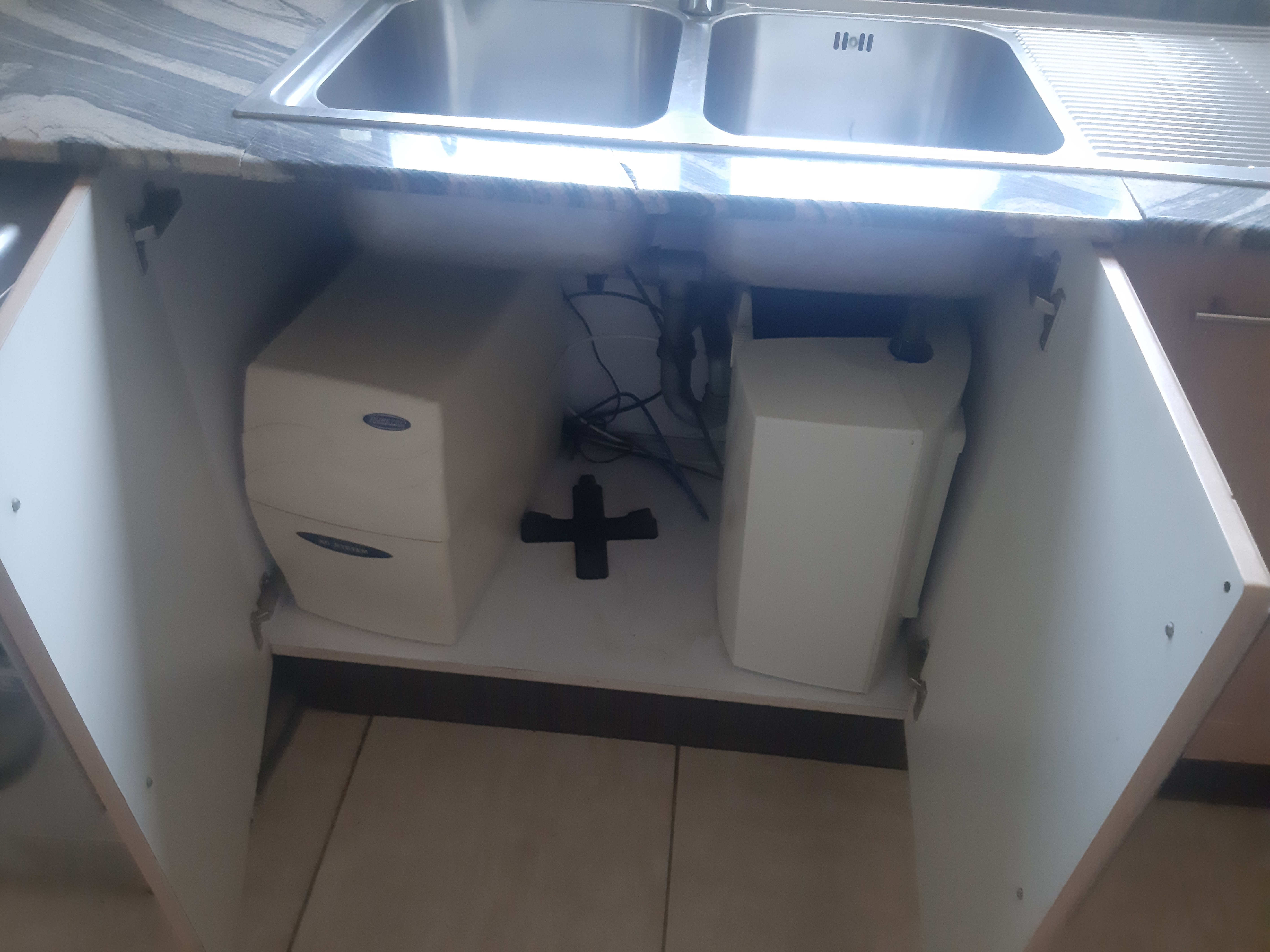
Singapore's ambient temperatures can reach 34-35 degrees Celsius. Water filter housings installed near windows, above stoves, or in enclosed cabinets without ventilation can accelerate bacterial growth and membrane degradation. Keeping the system in a shaded, ventilated space below the counter is the recommended practice.
Mistake 5: Not Sanitising the Housing During Cartridge Change
Each time a filter cartridge is replaced, the empty housing should be rinsed and wiped with a mild food-grade sanitiser. Biofilm buildup on the interior walls of filter housings is a documented source of bacterial contamination that persists even after a new cartridge is installed.
Annual Maintenance Checklist
- Record the installation date of each filter stage (use a label on the housing)
- Check sediment pre-filter every 3 months; replace if discoloured
- Replace pre-carbon and carbon block filters every 6-12 months
- Test output TDS quarterly with a handheld meter (available at hardware stores for $15-30 SGD)
- Inspect O-rings for cracks during every cartridge change
- Flush at least 10 litres after each cartridge replacement
- Schedule RO membrane replacement at 24-month mark (or earlier if TDS rejection drops below 80%)
- For UV systems, replace the lamp at the 12-month mark regardless of whether it still illuminates (UV output degrades before visible light does)