Reverse Osmosis Filters: What Singapore Residents Need to Know
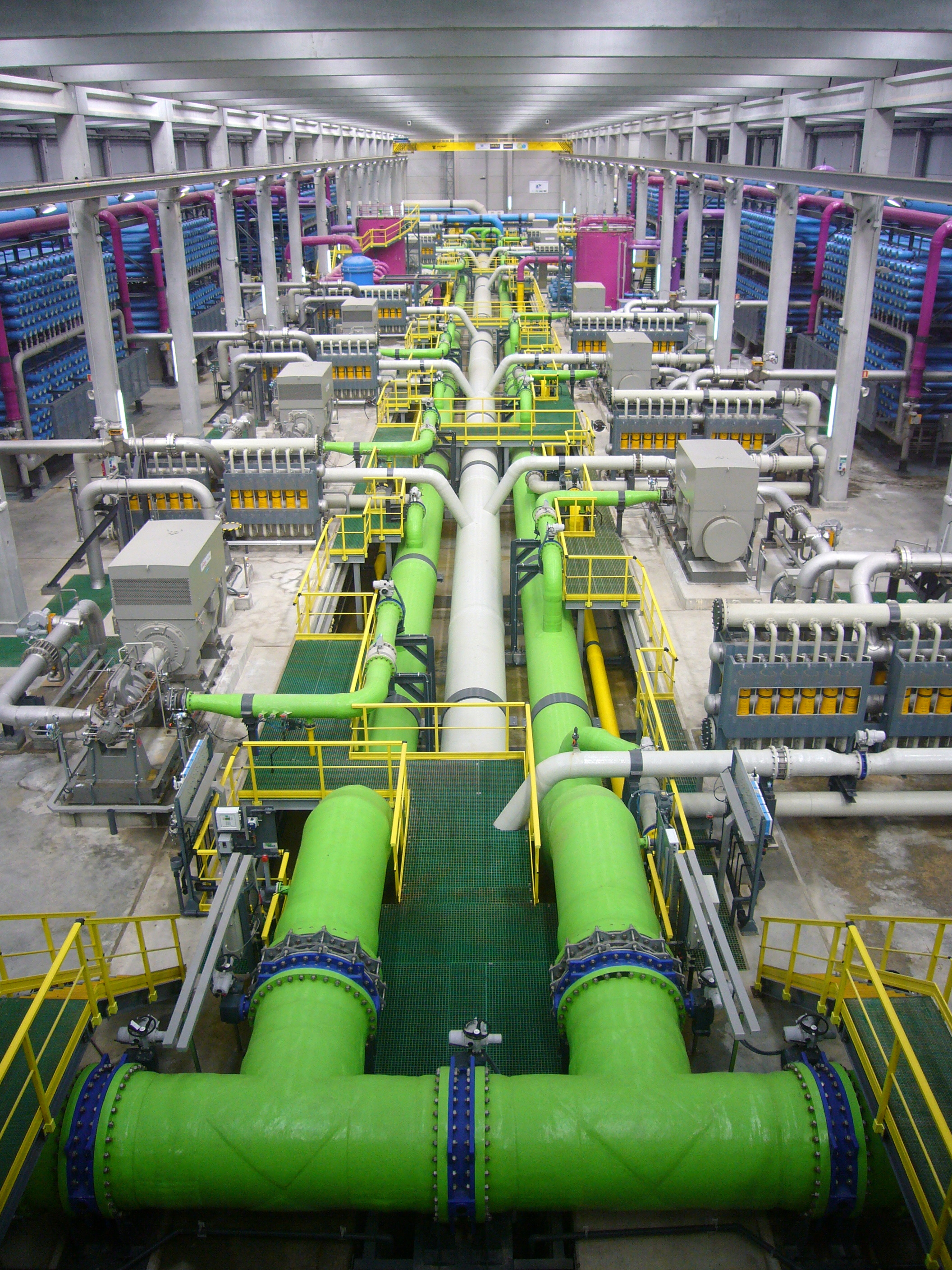
Reverse osmosis (RO) has been a cornerstone of large-scale water treatment in Singapore for decades. PUB operates desalination plants at Tuas South and Marina East that use RO membranes to convert seawater into potable water, contributing to one of the country's four National Taps. In recent years, compact residential RO systems have become increasingly common in Singapore households, particularly among residents in older estates where internal plumbing may introduce trace mineral deposits.
How Reverse Osmosis Membranes Function
An RO membrane is a semi-permeable barrier, typically made from thin-film composite (TFC) polyamide. Water is forced through the membrane under pressure, while dissolved solids, heavy metals, and most microorganisms are rejected. The rejected concentrate, known as brine, is flushed to the drain.
A typical residential RO system operates at pressures between 40 and 80 psi. Most under-sink units sold in Singapore include a booster pump because local mains water pressure in many HDB flats sits between 2 and 4 bar at higher floors, which may be insufficient for older membrane designs.
What RO Removes from Singapore Tap Water
Singapore's tap water already meets WHO guidelines. The total dissolved solids (TDS) reading typically ranges from 20 to 100 mg/L, well below the WHO aesthetic guideline of 600 mg/L. RO systems reduce TDS further, often down to 5-15 mg/L, by removing:
- Residual chloramines used for distribution network disinfection
- Trace levels of fluoride (added since 1957 by the Ministry of Health)
- Mineral sediments such as iron and manganese oxides from ageing internal pipes
- Lead, if present from older soldered joints in pre-1990 plumbing
- Microplastics above 0.001 microns
RO System Types Available Locally
| Type | Typical Cost (SGD) | Flow Rate | Installation | Waste Ratio |
|---|---|---|---|---|
| Under-sink (tank) | $350 - $800 | 0.1 - 0.3 L/min (fills tank) | Professional, plumber needed | 3:1 to 4:1 |
| Under-sink (tankless) | $500 - $1,400 | 0.4 - 1.5 L/min direct | Professional, plumber needed | 1.5:1 to 2:1 |
| Countertop (portable) | $200 - $600 | 0.1 - 0.2 L/min | No installation, fill manually | 3:1 to 5:1 |
Tankless under-sink units have become the dominant category in Singapore because they eliminate the storage tank, reducing bacterial regrowth risk and saving space under the kitchen counter in compact HDB and condo kitchens.
Membrane Lifespan and Replacement
In Singapore's water conditions, an RO membrane typically lasts 24 to 36 months. Pre-filters (sediment and carbon block) should be replaced every 6 to 12 months, depending on usage volume. Some key factors that shorten membrane life in local conditions:
- High ambient temperature (30-33 degrees Celsius in un-airconditioned kitchens accelerates membrane degradation)
- Chloramine exposure, if pre-carbon filter is saturated and fails to remove residual disinfectant
- Hard water deposits in rare cases where building tanks have not been cleaned per BCA guidelines
Annual Operating Costs
A realistic cost estimate for a mid-range tankless RO system in Singapore:
- Pre-filters (sediment + carbon): $40-80 per set, replaced every 6-12 months
- RO membrane: $60-150, replaced every 24-36 months
- Post-carbon or remineralisation filter: $30-60, replaced annually
- Electricity for booster pump: approximately $2-4 per month
- Water waste: at a 2:1 ratio, producing 1 litre of purified water uses roughly 3 litres total; PUB domestic tariff is $2.74 per cubic metre (as of 2024)
Total annual cost, excluding the initial unit purchase: approximately $180-350 SGD for a household consuming 5-8 litres of filtered water daily.
Installation Considerations for Singapore Flats
Under-sink RO systems require a cold water supply line with a shutoff valve, an electrical outlet for the pump, and a drain connection for brine discharge. In older HDB flats (pre-2000), the under-sink space may lack a power point; engaging a licensed electrician (EMA-registered) is necessary before installation.
BCA and HDB regulations do not prohibit the installation of water filtration devices, but residents should avoid modifications to the main water supply pipe. Most reputable installers connect to the existing angle valve under the sink, which is considered a point-of-use modification rather than a plumbing alteration.